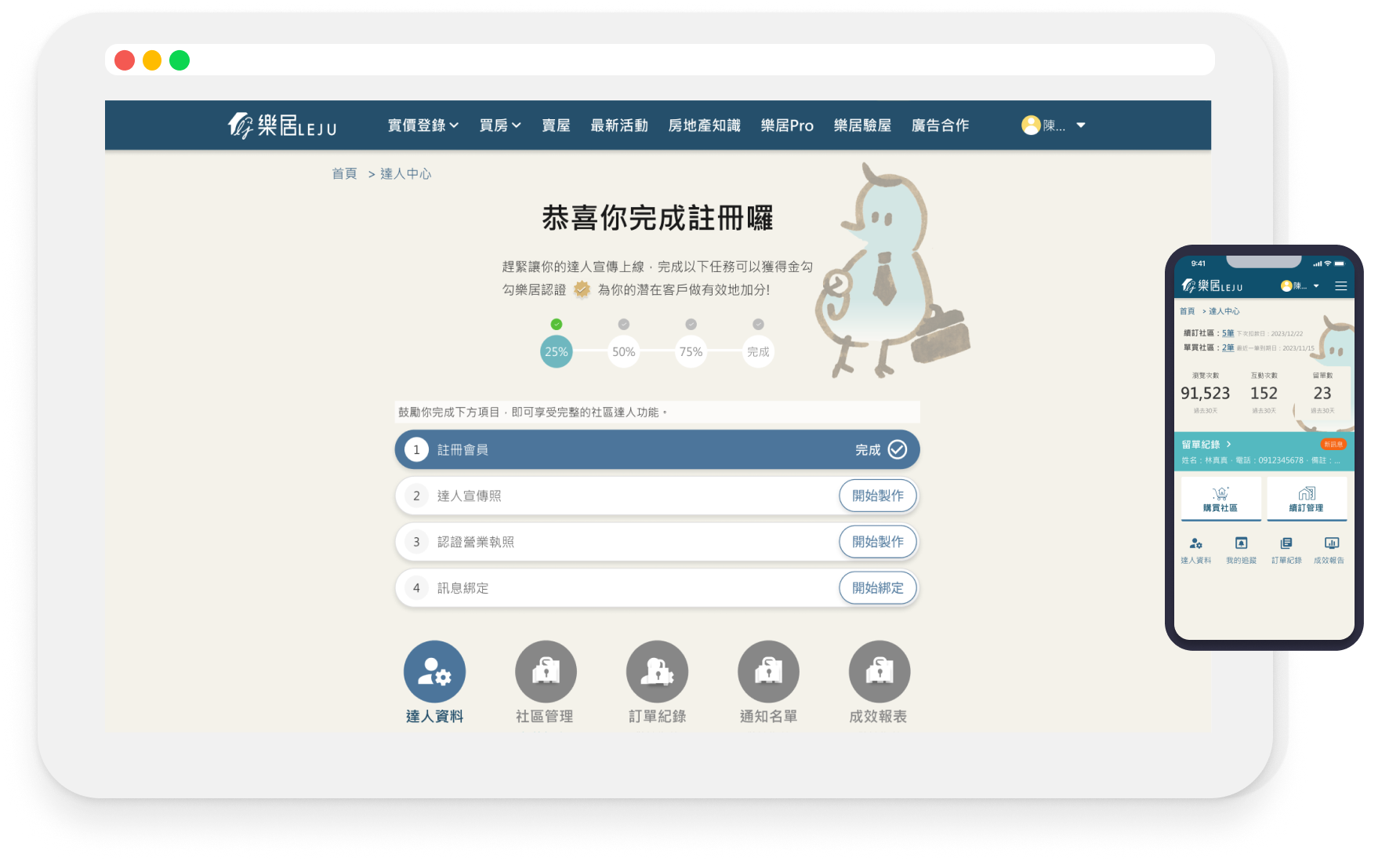
A new advertising placement process and service center for real estate agents.
Project Overview
- 1 | Delivery
- Product strategy, final delivery of 7 UI pages, 1 Landing animation, 4 sets of illustrations, design system.
- 2 | Teammate
- Core Member - Designer, Junior Designer, Director of Product(PM)
- 3 | My Contribution
- Increasing the conversion of free agents to paid members and developing more advanced service features for them.
- 4 | Outcome & Impact
- After three months since the product launch, there was a 50% increase in the conversion rate, accompanied by numerous positive reviews. .
Background
In the past, agents used to register their personal advertisements without any charges on the platform. However, with the rising costs of the platform, the company now plans to implement a purchasing mechanism, allowing agents to buy advertising spaces for real estate projects they are interested in.
Process

Research
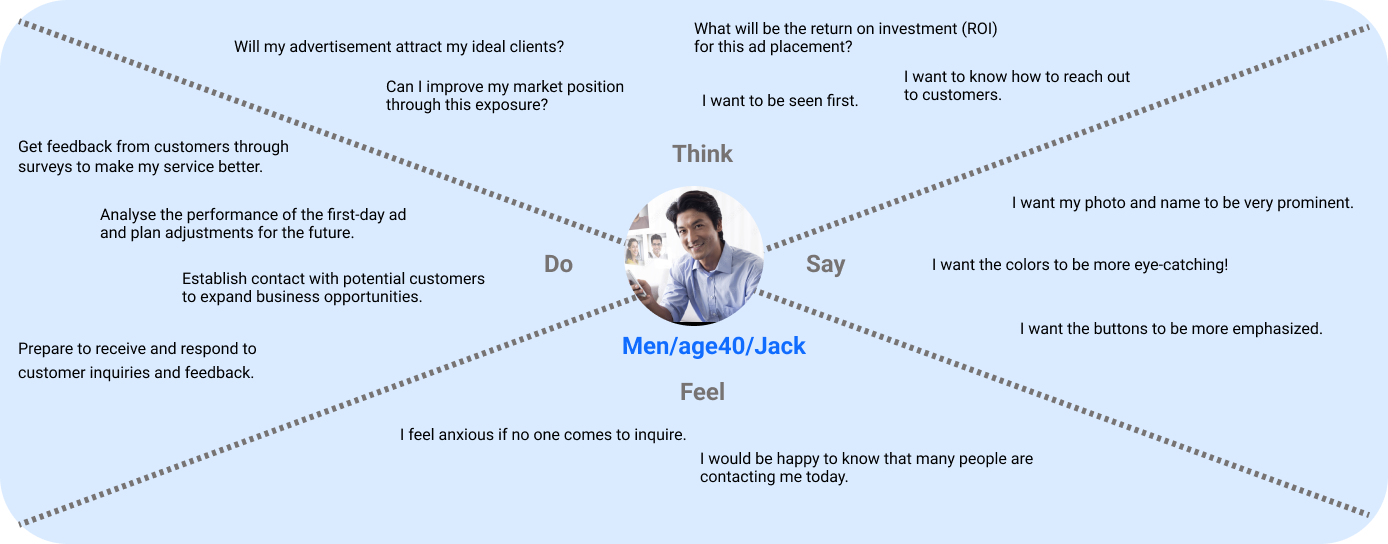
Empathy Map
In the initial ideation stage, I, along with a junior designer and PM, focused on the visibility of these new products. Through these interactions, we tried to understand what real estate agents might care about after advertising.
User interview
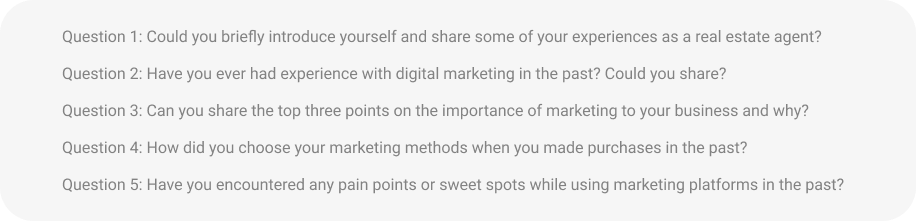
We invited 5 of the interviewees were senior executives from within the company, both of whom have real estate agent experience. The interview was conducted in a semi-structured manner, led by me, with another member recording. Below are some of the organised aspect questions, with each person being interviewed for about 30 minutes.
Summarizing our two research directions, we have discovered that keyframe plays a valuable role in bringing meaningful insights to intermediaries during interviews.
KeyFrame1: Having a data dashboard would be a beneficial choice for agents.
- Cost-Effectiveness:
- Evaluate the tool's affordability and the potential return on investment.
- Target Audience Presence:
- Assess whether the tool aligns with the presence of the target audience, ensuring effective reach.
- Alignment with Marketing Goals:
- Ensure the tool supports marketing objectives, including goals like enhancing brand awareness and generating inquiries.
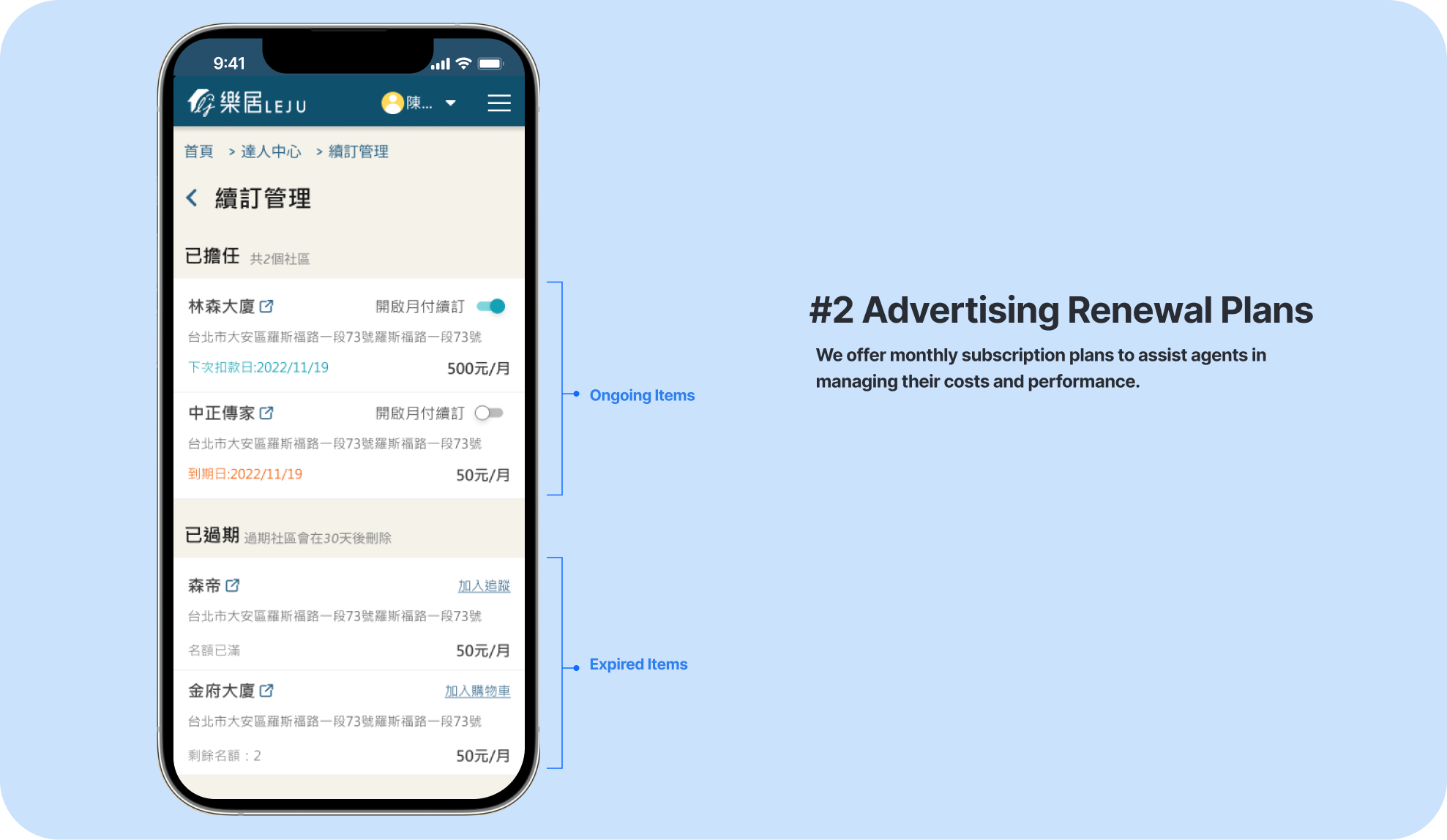
KeyFrame2: Agents prefer to have continuous ownership for more premium property listings.
- Continuous Ownership:
- Desire for the opportunity to continuously own the advertising spot.
- Premium Exposure:
- Aim to ensure consistent exposure for ads in popular real estate projects.
- Client Attraction:
- Priority on attracting more potential clients through sustained visibility.
User Testing
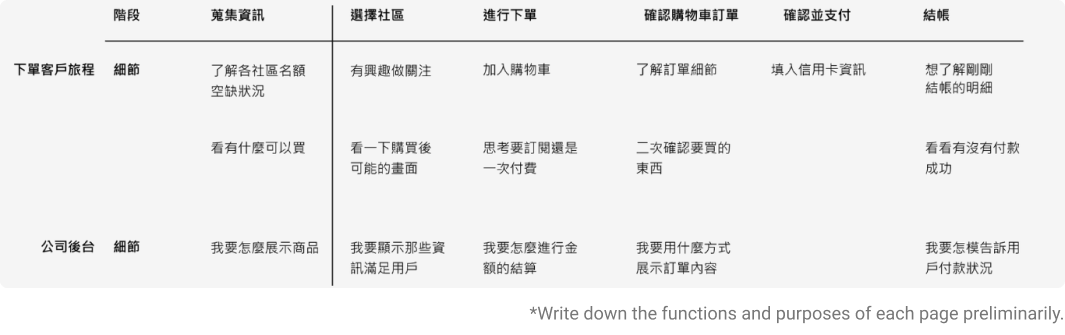
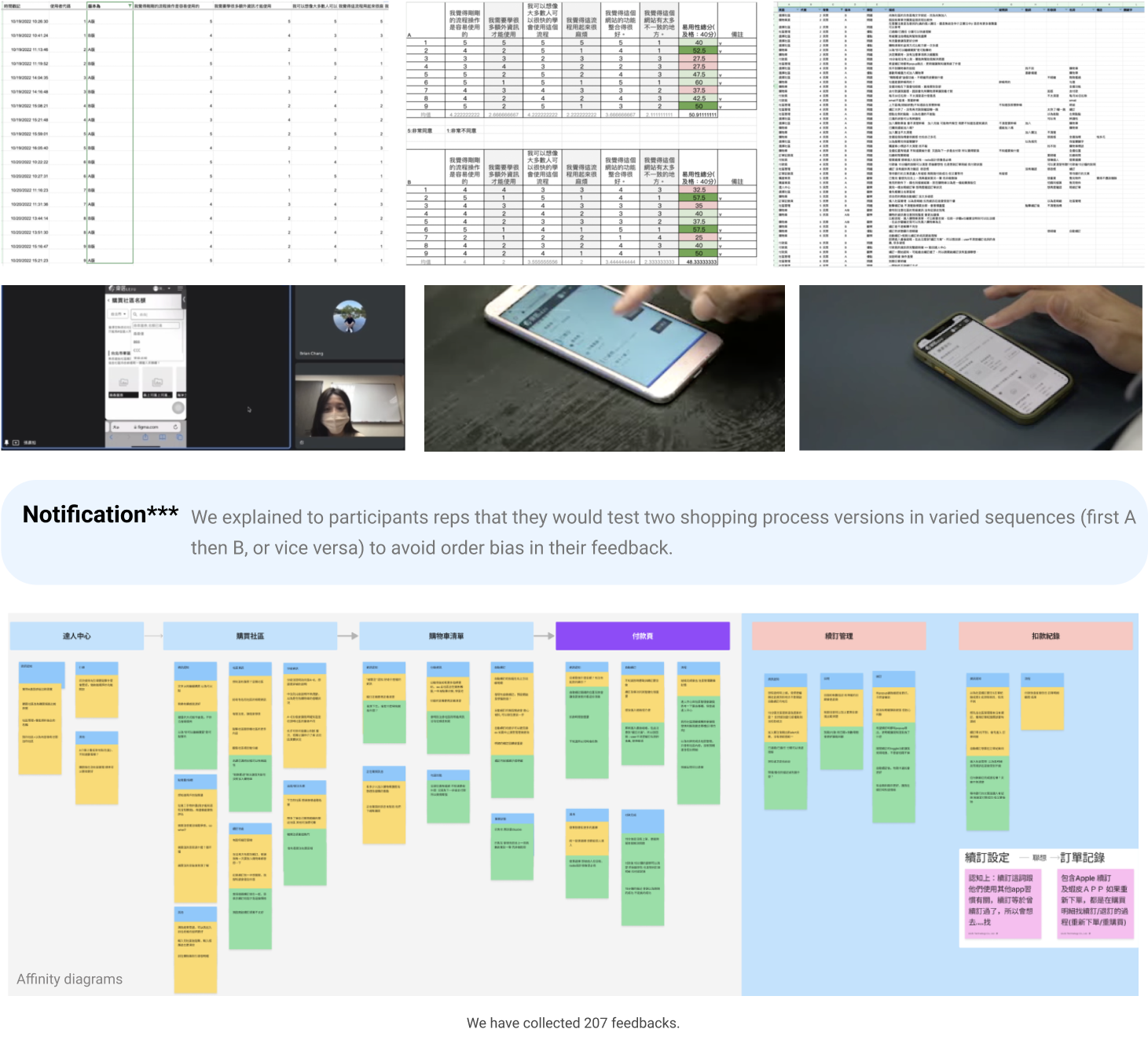
We aim to push the product further. We developed two different ordering process ideas for the purchase page.

Prototype-A
50.9 score
Prototype-B
48.3 score

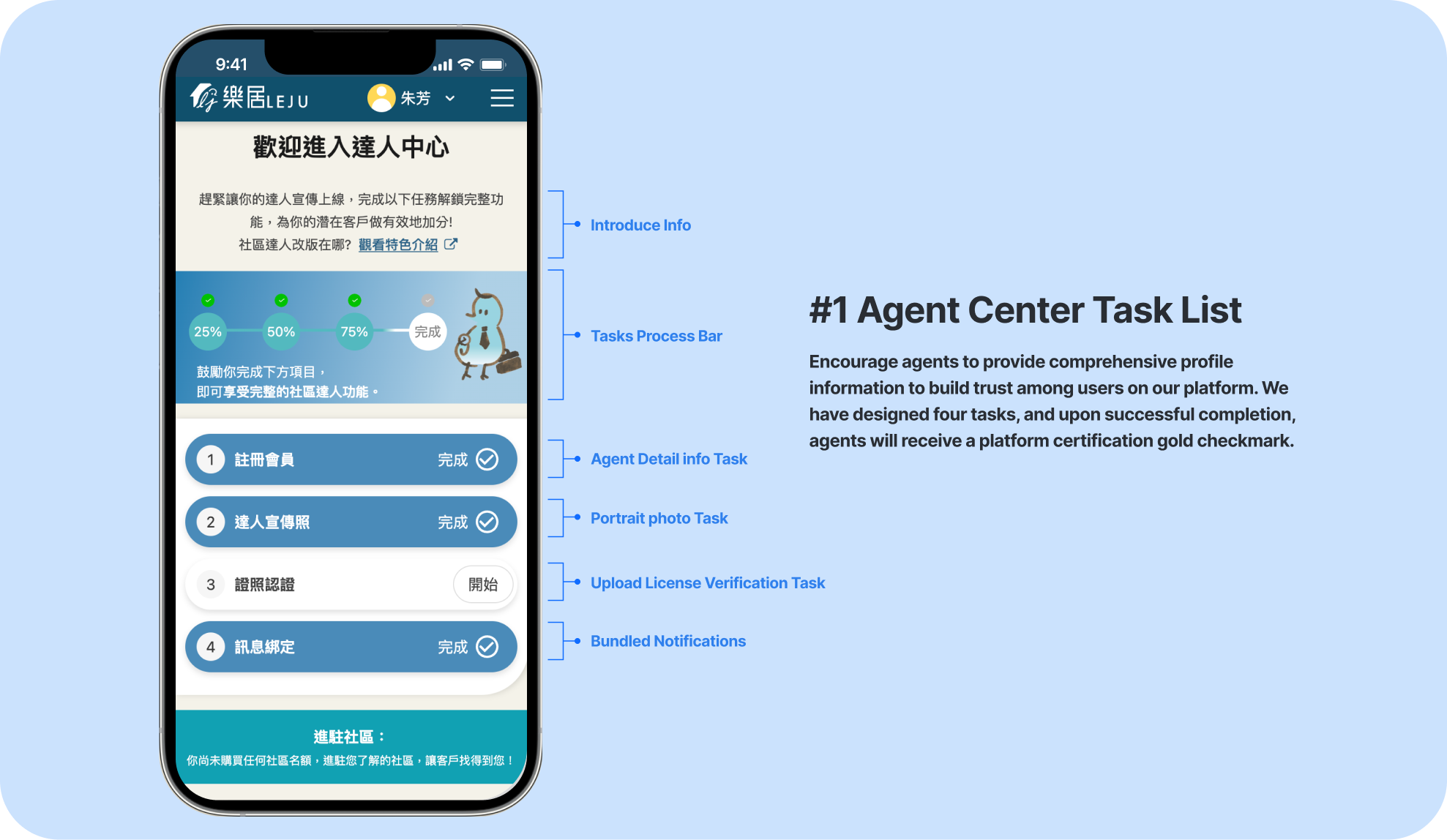
Iteration
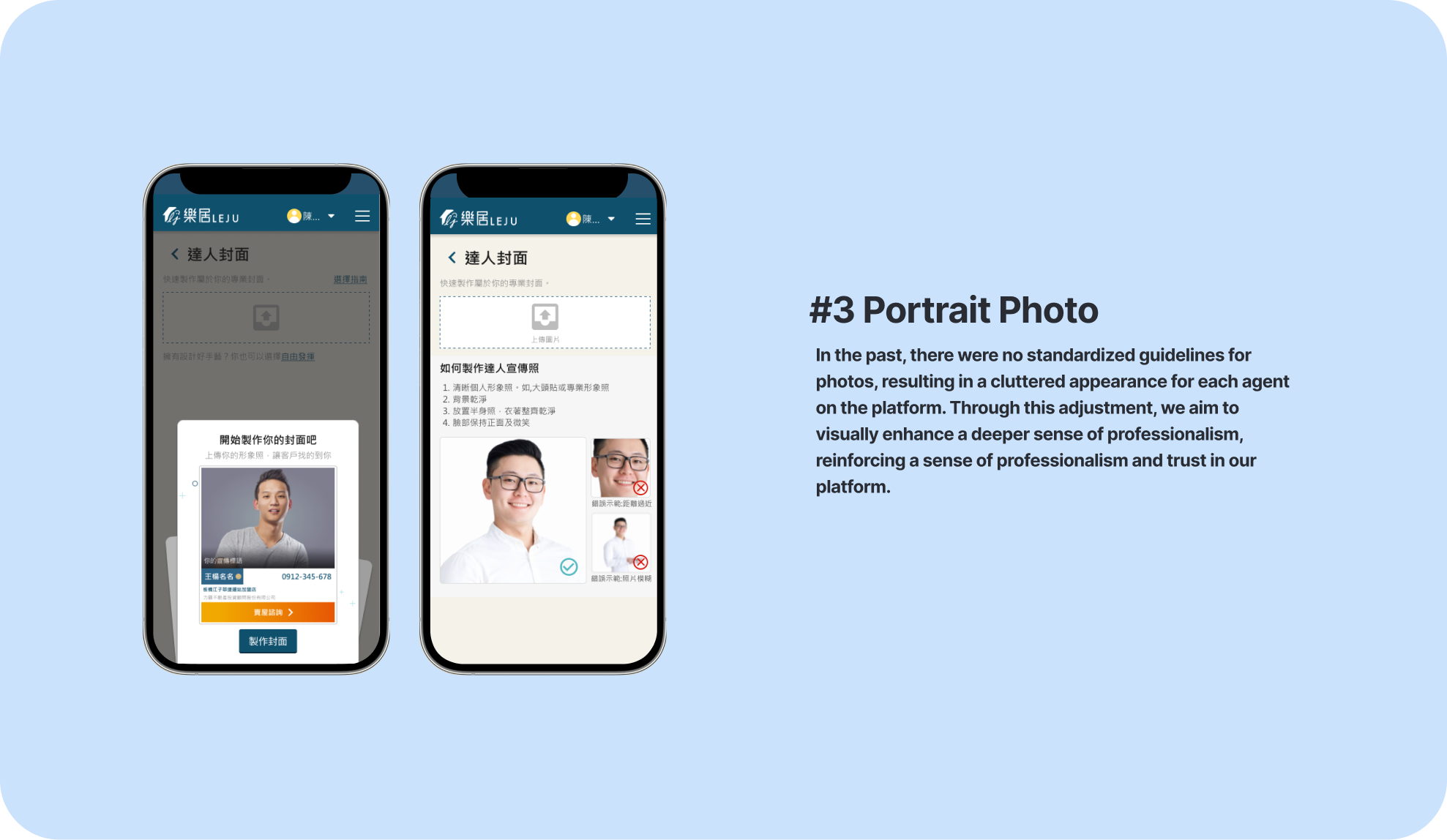
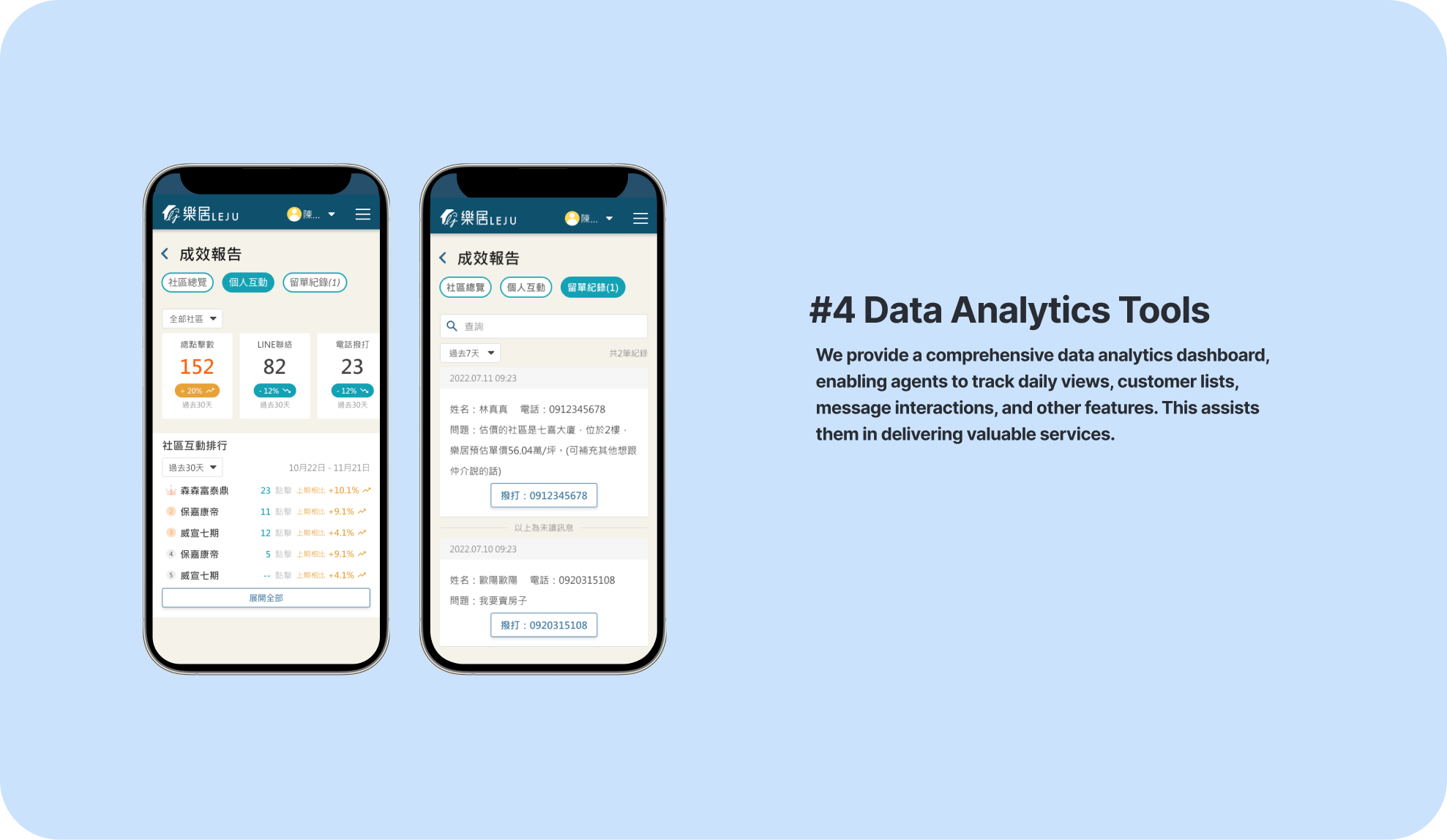
The result
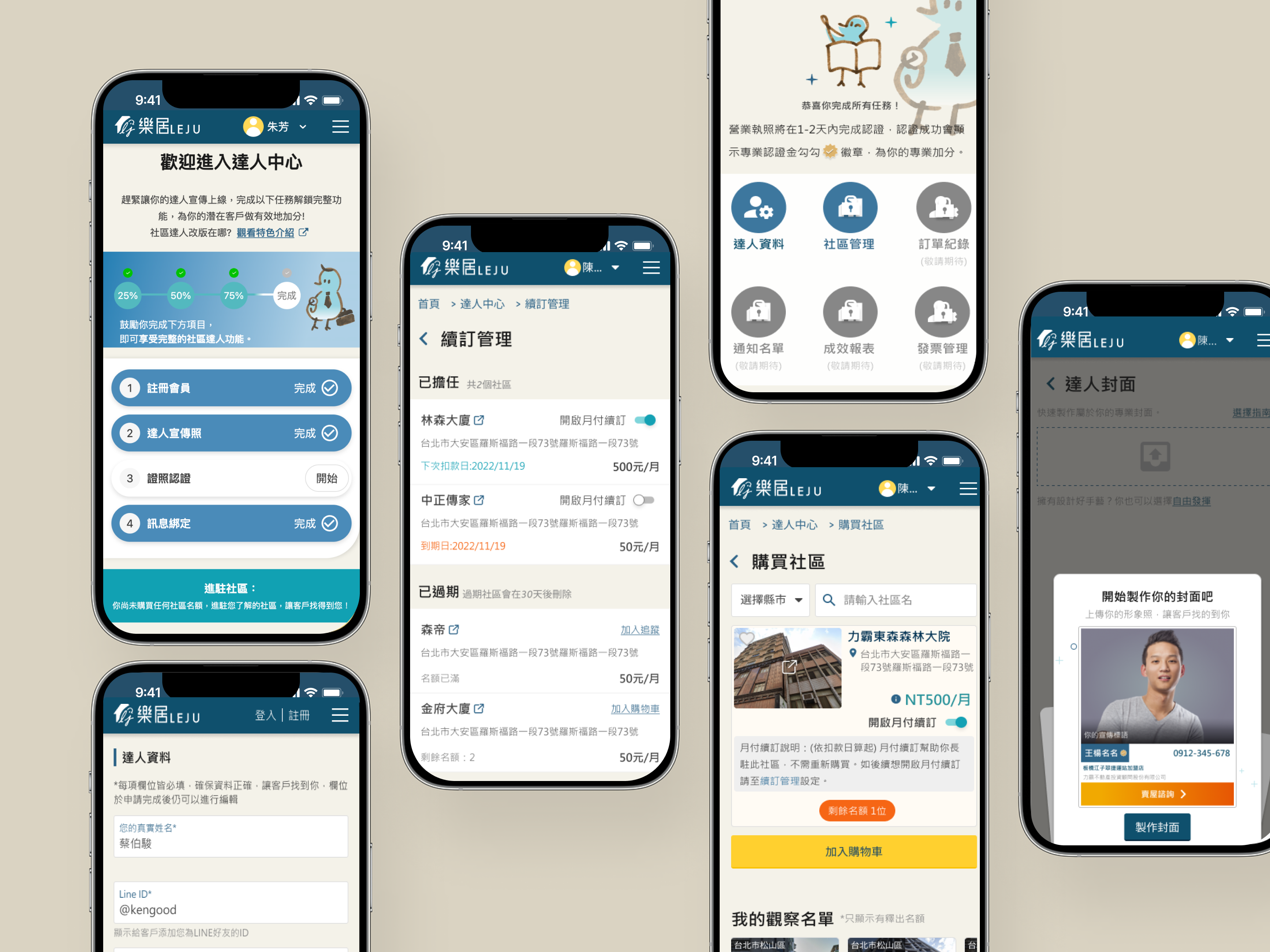
Data Represents Real Information
- Original Free Members
- Nearly 10,000 (from 2015 to 2022 )
- Conversion Rate
- 48%(2023/01/1-2023/12/31止)
- Authentic Feedback
- Received many positive feedback and suggestions.
How I Learn?
This project has been immensely helpful in shaping my product thinking, especially during the execution of two prototypes and subsequent user testing. It allowed me to better understand the real needs of users. Hearing from former colleagues that the product has shown positive conversion rates and receiving positive feedback on my product design has been fulfilling.